
Nagpur Is Building a Bird Paradise Right on the Highway—Here’s What to Expect
Have you ever imagined taking a stroll through a lush bird park while driving along a busy highway? It might sound like a scene from a dream, but in Nagpur, that dream is soon becoming reality. Thanks to a new initiative by the National Highways Authority of India (NHAI) and the Maharashtra Forest Department, one of the city’s busiest junctions is set to transform into a green paradise where people and wildlife can coexist harmoniously.
You might like: Waaree Energies Begins a New Solar Chapter in Nagpur with 10 GW Mega Facility
From Concrete to Canopy: The Vision of Jamtha Cloverleaf
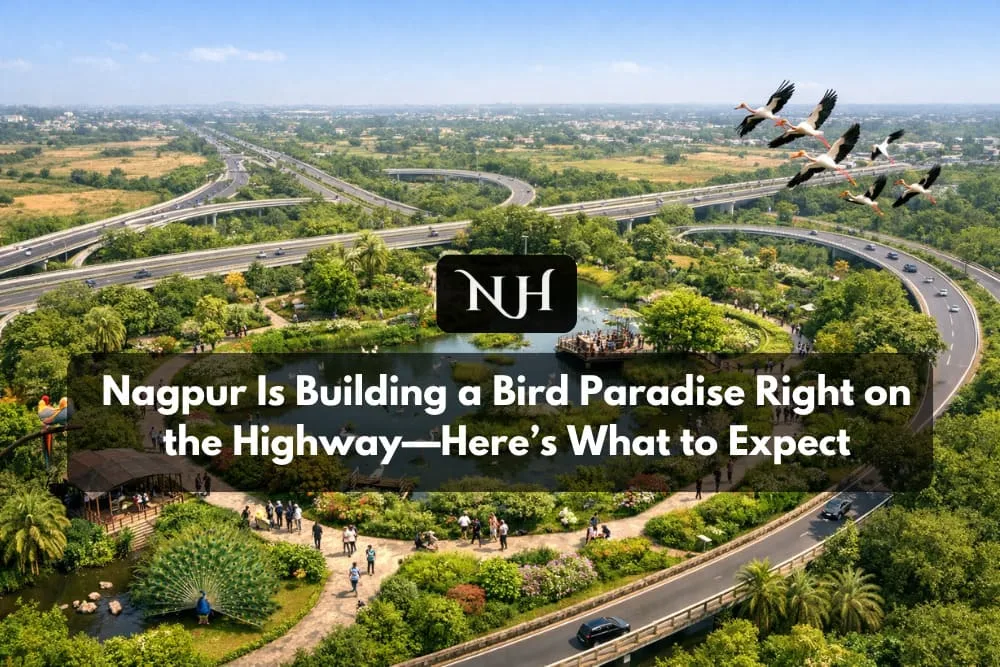
The Jamtha Cloverleaf Interchange is one of the busiest spots in Nagpur, where vehicles from different highways meet. Yet, instead of only thinking of concrete and traffic, city planners are now imagining green spaces, chirping birds, and eco-tourism opportunities. Under a new Memorandum of Understanding (MoU) between the NHAI and the Maharashtra Forest Department, this interchange is being converted into a biodiversity zone.
Spanning about 10 hectares, the project is not just a park. It’s an ambitious step toward integrating urban growth with nature conservation. With an estimated cost of Rs 34 crore, the goal is to create a bird-friendly environment, a place for locals and tourists to experience nature while supporting wildlife.
Eco-Tourism Meets Biodiversity
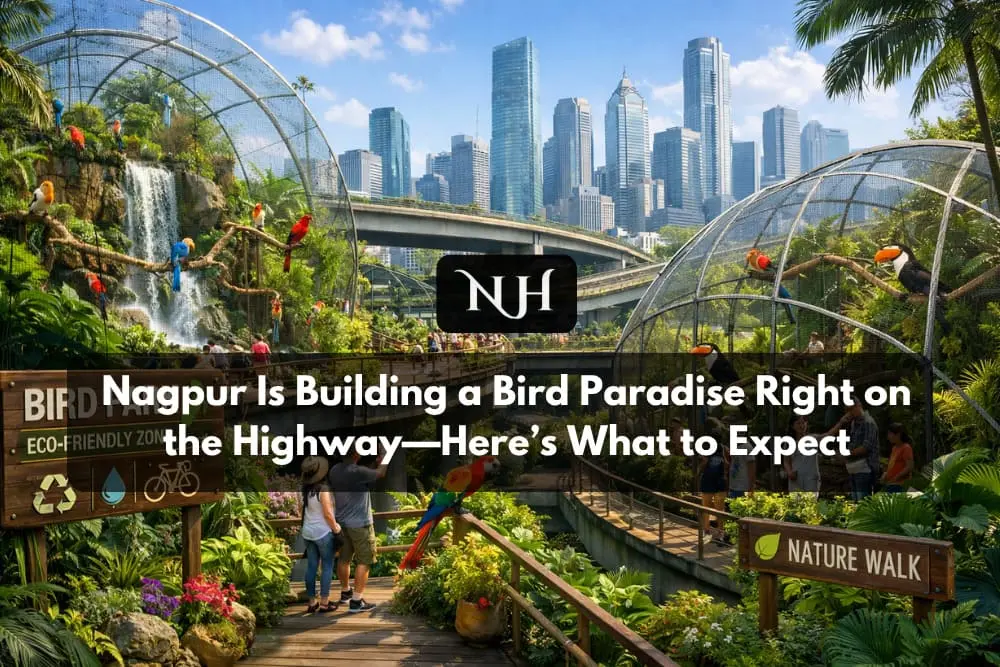
Nagpur, often called the “Orange City,” is about to gain a new identity—an eco-tourism hub. The bird park and biodiversity zone will attract families, bird lovers, and even researchers. Walkways, aviaries, and dedicated enclosures will allow visitors to get close to parrots, tropical birds, and other species while ensuring minimal disturbance to their natural behavior.
The park is designed not just for humans, but for biodiversity itself. By planting local flora and creating natural habitats, it provides a safe environment for birds and other small wildlife, enhancing the city’s ecological balance. In addition, the project is expected to support scientific research and conservation, offering a place where experts can study and nurture wildlife.
Innovative Infrastructure That Feels Natural
What makes this project truly unique is the way infrastructure and nature merge. Instead of forcing birds into cages, the planners are designing walk-through aviaries where people can feel surrounded by nature. Landscaping will use native plants to encourage birds to thrive naturally.
Special enclosures will accommodate different bird species according to their needs. Parrots, tropical birds, and other exotic species will have environments that mimic their natural habitats. This combination of modern infrastructure and ecological design makes the park both educational and recreational.
Caring for Wildlife: Bird Hospitals and Nurseries
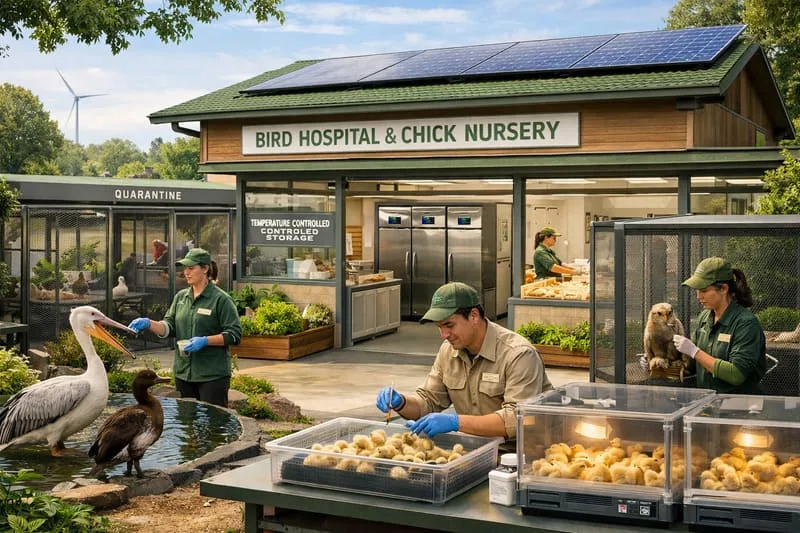
Beyond tourism, the Jamtha Interchange project is also a hub for wildlife care. Plans include a bird hospital, where sick or injured birds can receive proper medical attention. Chick nurseries and quarantine areas will ensure that young birds grow healthy in a safe environment.
Scientific management is at the core of this project. Temperature-controlled storage units and specialized food preparation areas will help maintain bird health. This approach is not just about creating a park; it’s about sustainable conservation, ensuring the birds are protected for generations to come.
Sustainable Amenities for Visitors
While birds take the spotlight, humans won’t be left out. The park will feature visitor-friendly amenities such as an information center, a cafeteria, and a souvenir shop. Educational displays will help visitors understand the importance of biodiversity and how urban planning can coexist with nature.
Eco-friendly systems are integrated throughout the park. Water treatment, waste management, and renewable energy solutions will ensure that the park remains clean and sustainable. Every feature, from paths to seating areas, is designed to minimize environmental impact while enhancing the visitor experience.
Safety and Urban Growth Together
One of the challenges of integrating wildlife into urban spaces is safety—both for animals and humans. The Jamtha project addresses this with fencing, surveillance systems, and guard posts. This ensures that birds are protected while visitors can explore safely.
The park is more than just a local attraction. It represents a model for sustainable urban growth in India, showing that development does not have to come at the expense of nature. By combining a bustling highway with a serene bird park, Nagpur sets an example for cities across the country.
Why This Project Matters
Nagpur’s bird park is not just about birds or tourism—it’s about building a green future. Cities worldwide are facing the challenge of balancing growth with conservation. This project shows that it is possible to create spaces where urban life and nature thrive together.
For residents, it means cleaner air, a natural space for relaxation, and a stronger connection with wildlife. For birds, it means a safe habitat in the middle of a busy city. And for the city as a whole, it strengthens Nagpur’s identity as a place that values innovation, sustainability, and biodiversity.
What Visitors Can Look Forward To
- Walk-through aviaries: Experience birds up close in a natural environment.
- Parrot and tropical bird enclosures: Enjoy diverse species in comfortable habitats.
- Bird hospital and nurseries: Learn about wildlife care and conservation efforts.
- Eco-friendly facilities: Cafeterias, souvenir shops, and information centers built sustainably.
- Green walkways and landscaping: Relax among local flora, supporting birds and other wildlife.
The Bigger Picture: Sustainable Urban Planning
Nagpur’s Jamtha Cloverleaf initiative is a reminder that infrastructure and ecology can coexist. Instead of seeing green spaces as a luxury, city planners are making them central to development. By incorporating eco-tourism, wildlife care, and sustainable infrastructure into a busy highway interchange, Nagpur is creating a replicable model for other urban areas in India.
In a time when cities are expanding rapidly, this project shows that nature and development do not have to be at odds. A highway can become more than asphalt and traffic; it can be a corridor for life, learning, and leisure.
Conclusion: Walking Into the Future
Imagine walking along a highway and being surrounded by birds chirping, vibrant flowers, and lush greenery. Nagpur is turning this vision into reality at the Jamtha Cloverleaf Interchange. With careful planning, sustainable infrastructure, and a focus on conservation, this project promises a unique blend of urban growth and ecological harmony.
Soon, residents and tourists will be able to experience nature in the heart of a city, making the journey on NH-44 more than just a drive—it will be a stroll into a greener, more sustainable future.
Nagpur is showing us that urban highways can host biodiversity, and that humans and wildlife can share spaces without compromise. It’s a bold step toward a greener India, and one that other cities may soon follow.
Related posts:
 Keystone Realtors Invests Rs 20 Crore in Nagpur Land
 Buying Property Near Swaminarayan Mandir, Nagpur: What You Need to Know
 Discovering Deekshabhoomi: The Heart of Nagpur’s Spiritual and Cultural Legacy
 Nagpur’s Green Transformation: NMC’s 4 Theme-Based Gardens & Real Estate Impact
 Kalmeshwar Development Plan: The Next Real Estate Hotspot Near Nagpur
 Mihan to Soon Boast New Multimodal Logistics Park: A Game-Changer for Central India